
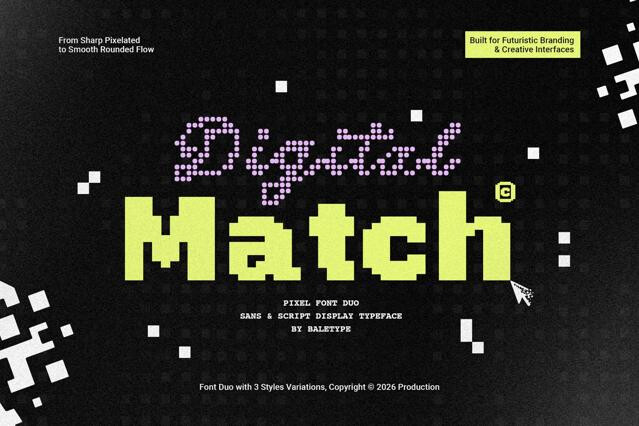
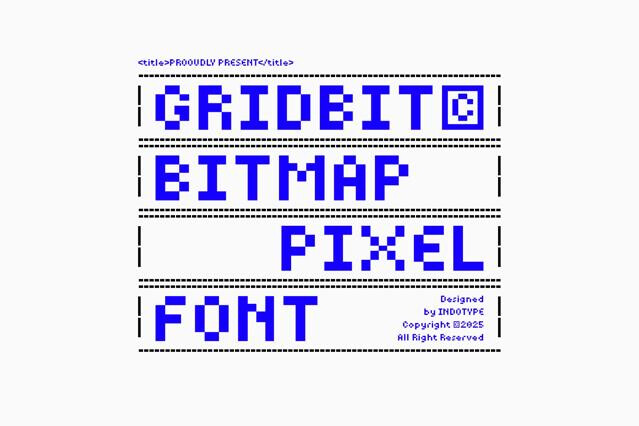
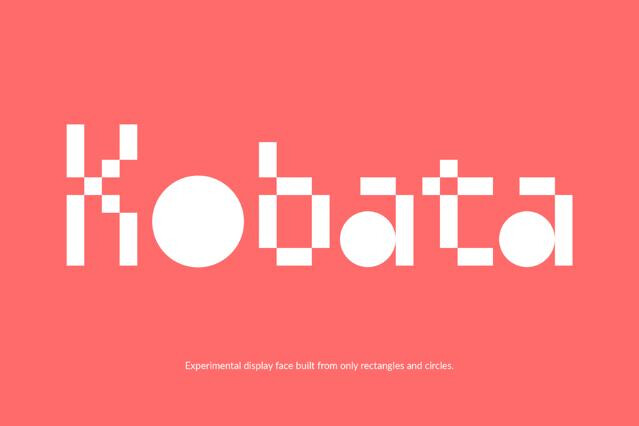
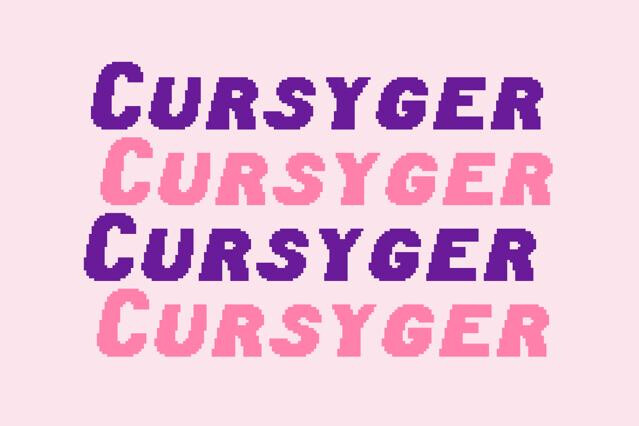
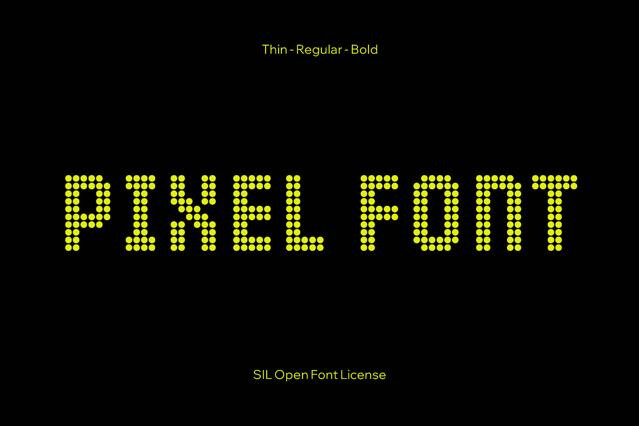
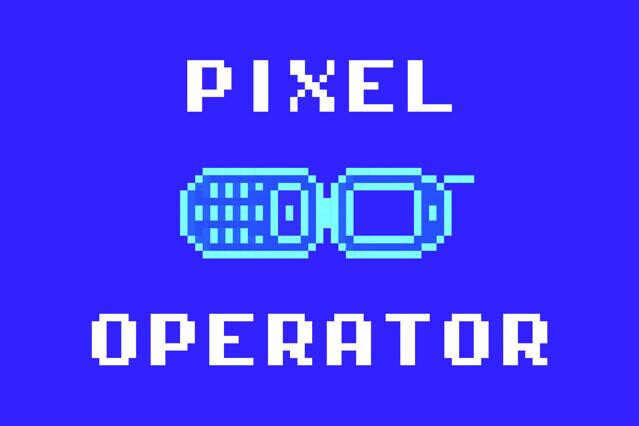
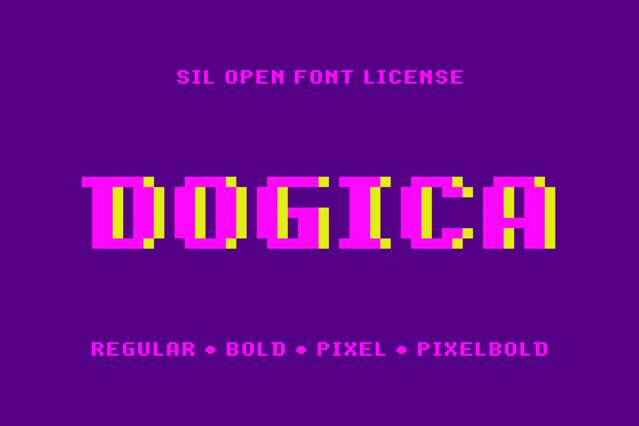


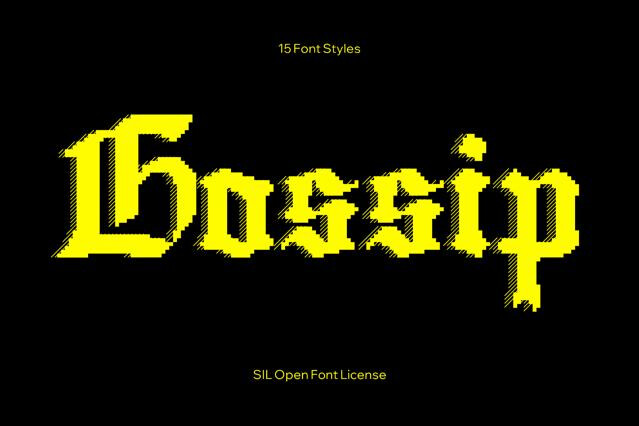



Pixel fonts for retro gaming, tech, and nostalgic digital design
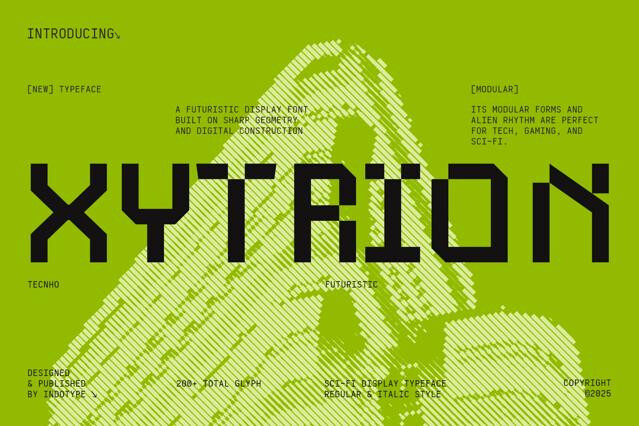
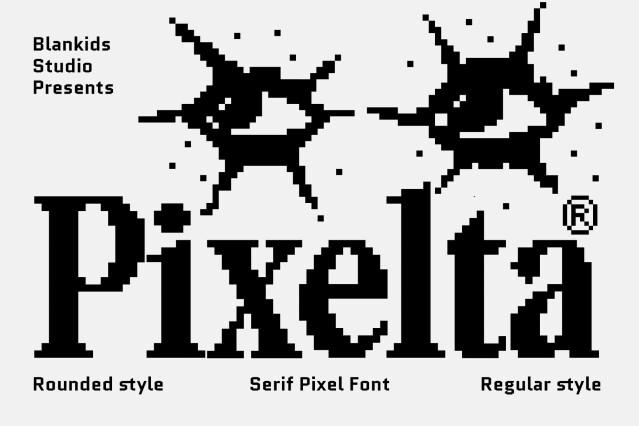
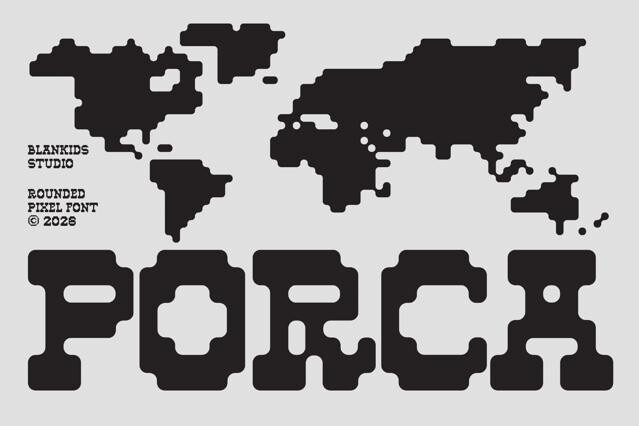
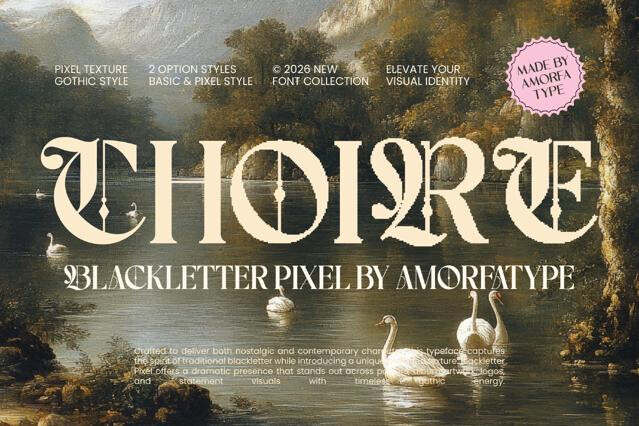
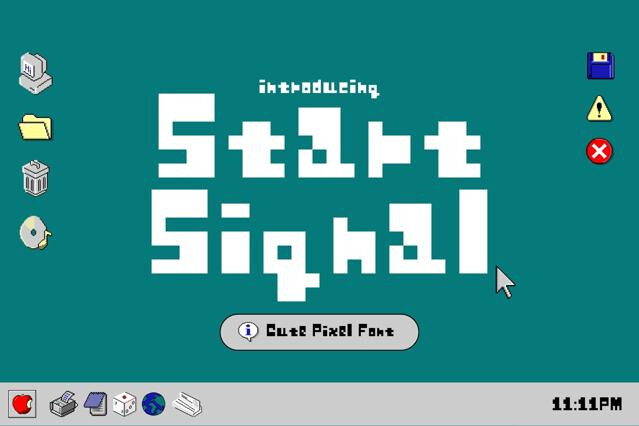
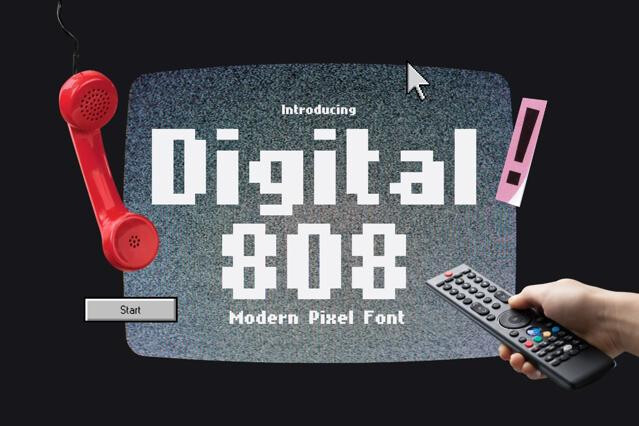
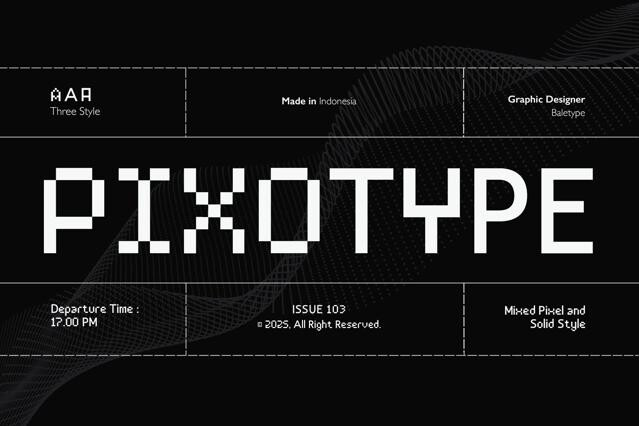
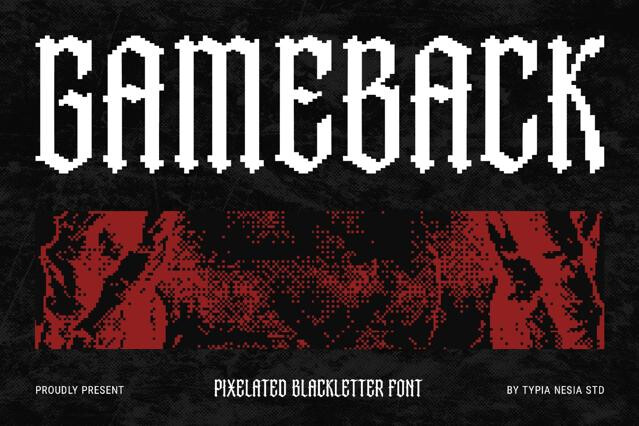
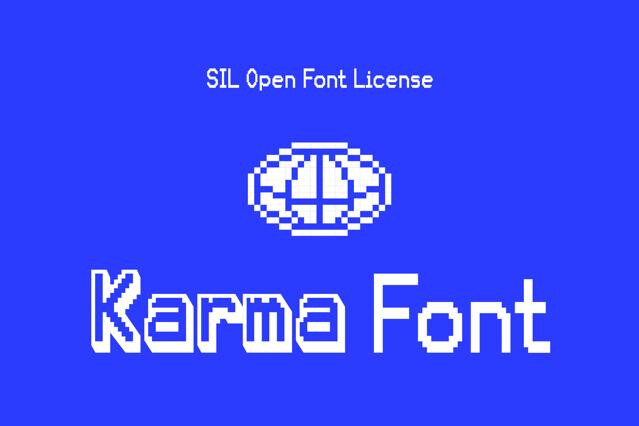
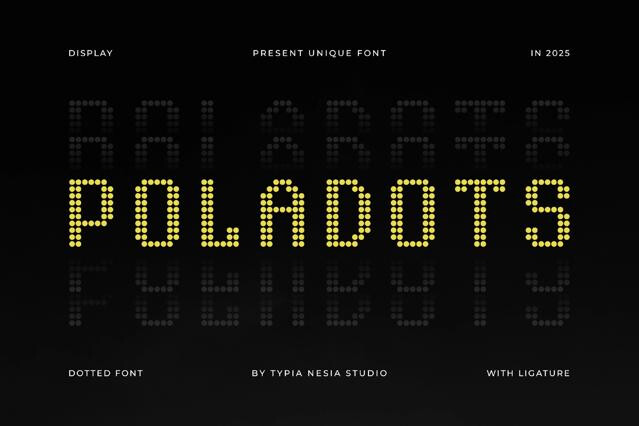
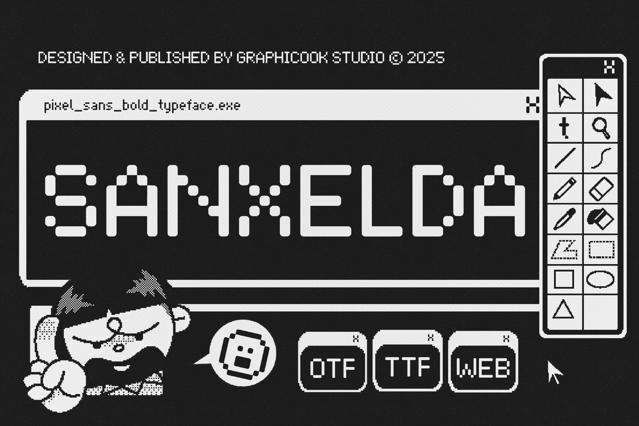
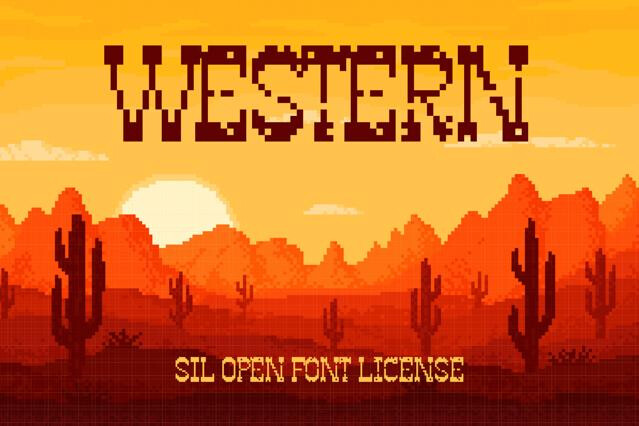
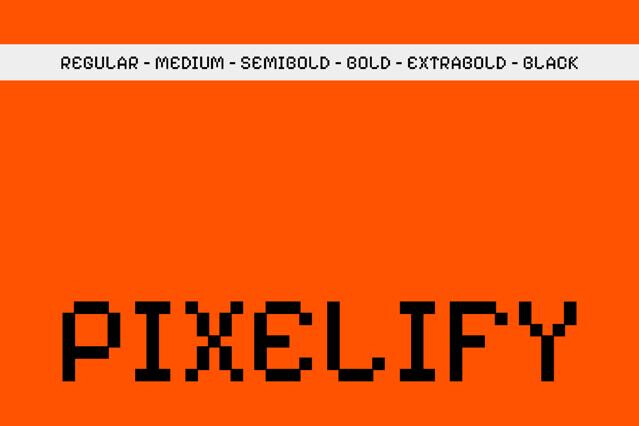
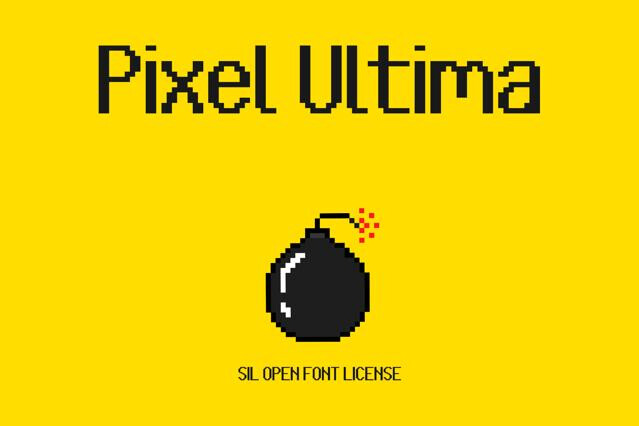
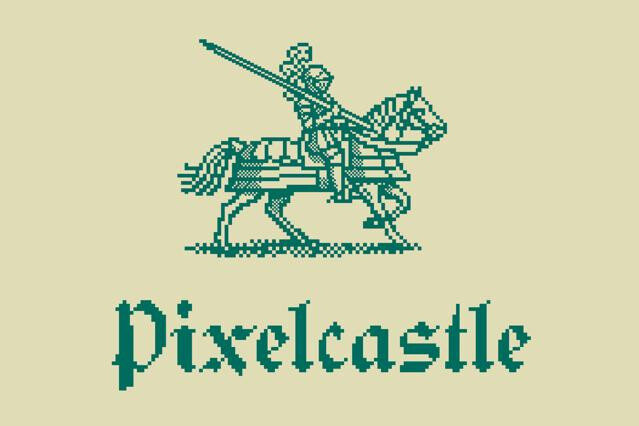
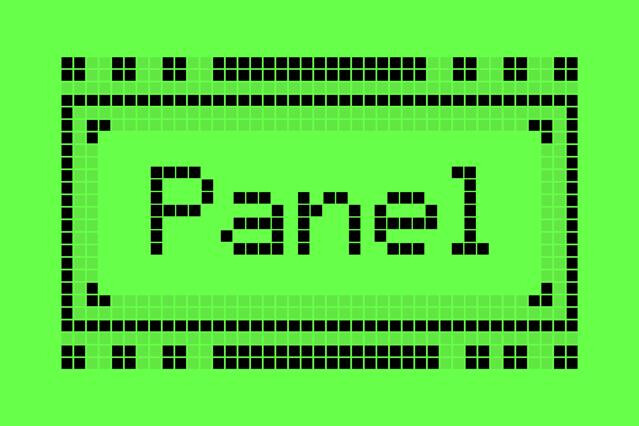
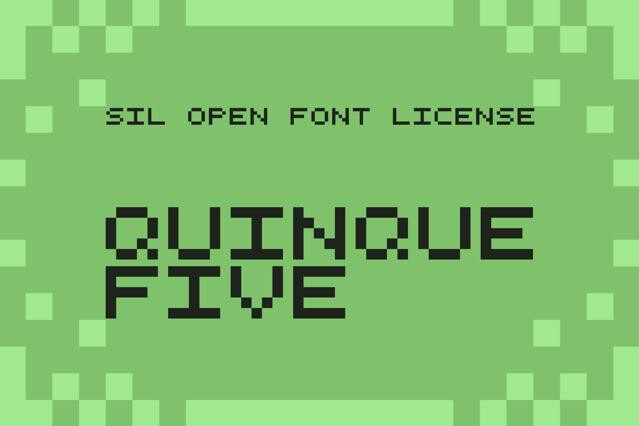
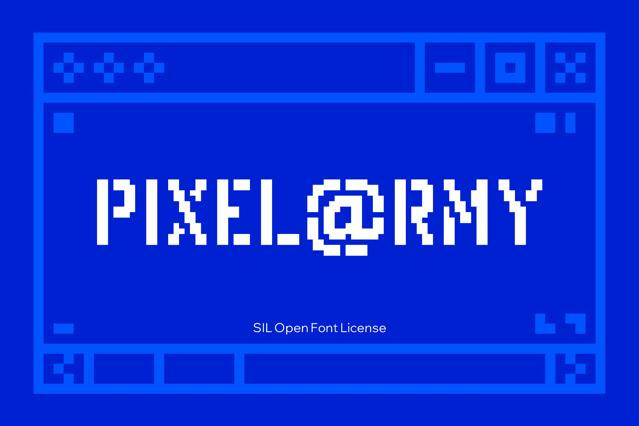
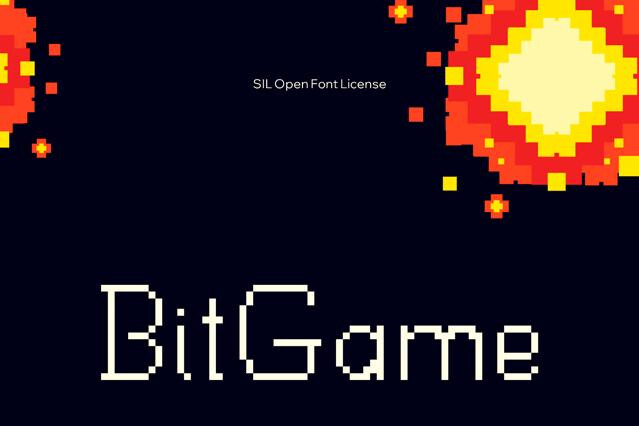
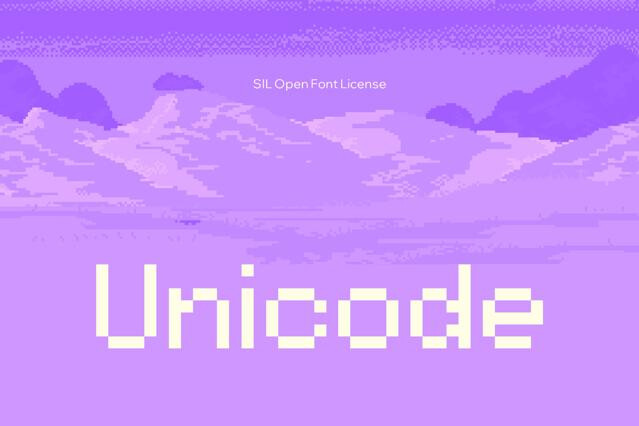
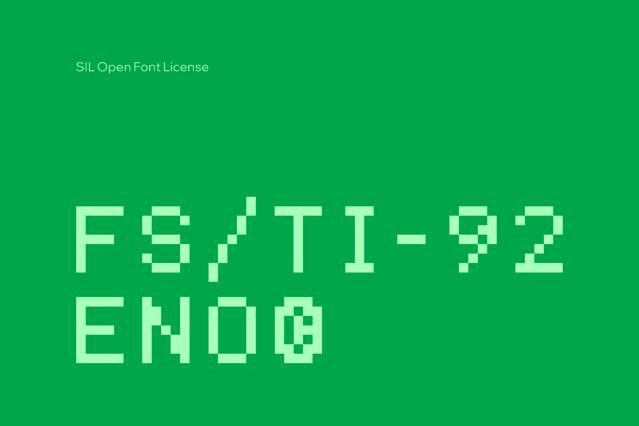
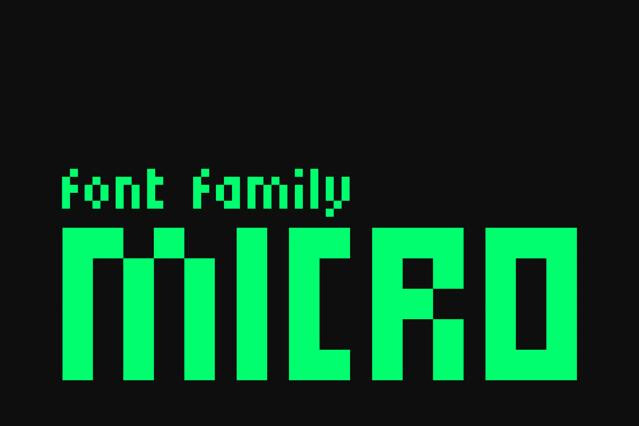
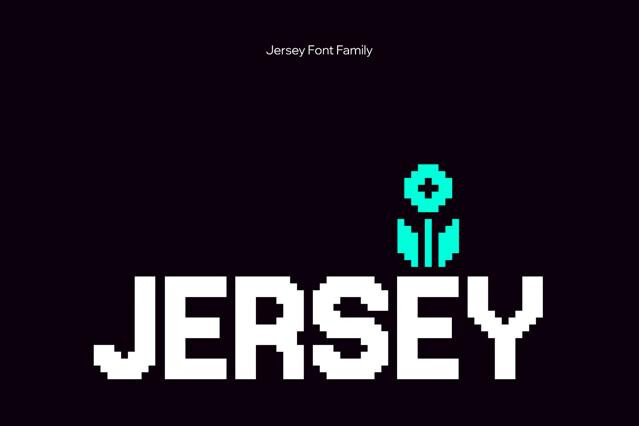
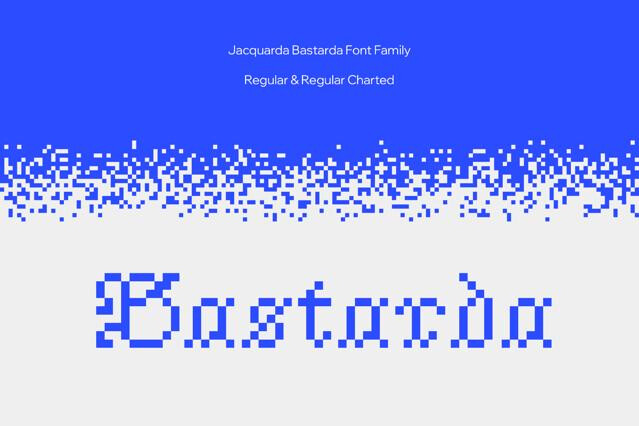
Pixel fonts are letters made of squares. Built on a grid the way early bitmap displays demanded, they carry the look of 8-bit games and first-generation computing — and we've gathered the fonts that bring that nostalgic digital character to gaming, tech, and retro-futuristic work.
The collection runs the full grid: tiny readable bitmap fonts, chunky arcade-style display, and glitch-tinged pixel type that leans into the aesthetic. All of it speaks fluently to anyone who grew up with low-resolution screens — and to the designers borrowing that language now.
Working with the grid
Pixel type comes with rules the smooth fonts don't, and respecting them is the whole game:
- Set fonts at their native size or exact whole multiples (2x, 3x).
- Off-grid sizes blur the squares and break the effect.
- Anti-aliasing softens the crisp edges — often best turned off.
- For print, scale in multiples and export high-resolution.
Where pixel type belongs
Few styles carry genre as strongly as this one. Retro and indie games, esports and gaming brands, developer and tech products, and music or event graphics with a digital edge all draw on the blocky nostalgia. That strong association is the appeal — and the thing to use deliberately, since pixel type always evokes the screen it came from.
Keeping it readable
Pixel type is display-first by nature, though well-drawn small bitmap fonts read better than you'd expect at their intended size. For anything longer than a headline, we'd pair the pixel font with a clean, smooth companion.
A pixel (or bitmap) font is designed on a grid, with each letterform made of square blocks. It recreates the look of early video games, low-resolution screens, and 8-bit computing with its a blocky aesthetic.
Often, yes — true bitmap fonts are drawn for a specific pixel grid and look sharpest at that size or exact multiples of it (2x, 3x, and so on). Set them at off-grid sizes and the crisp squares can blur or distort, so we'd scale them in whole multiples whenever possible.
For the authentic crisp look, often yes — anti-aliasing softens the square edges that give pixel type its character. Behavior depends on your software and export settings; test both to see which preserves the blocky edges you want.
Retro and indie games, gaming and esports branding, tech and developer products, music and event graphics with a digital edge, and any retro-futuristic or nostalgic-computing concept. The style carries strong genre associations, which can be an asset or a constraint.
Small, well-drawn bitmap fonts can be surprisingly readable at their intended size, but most pixel type is display-first. For longer text we'd pair a pixel headline with a clean, smooth font to keep reading comfortable.
They can, but the grid logic that suits screens needs care in print — scale in whole multiples and export at high resolution so the squares stay sharp rather than turning fuzzy. Test a proof at final size before a full run.